Dr. Richard Forno
Dr. Richard Forno, Teaching Professor, UMBC Department of Computer Science and Electrical Engineering; UMBC Graduate Cybersecurity Program Director; and UMBC Cyber Security Institute Assistant Director.
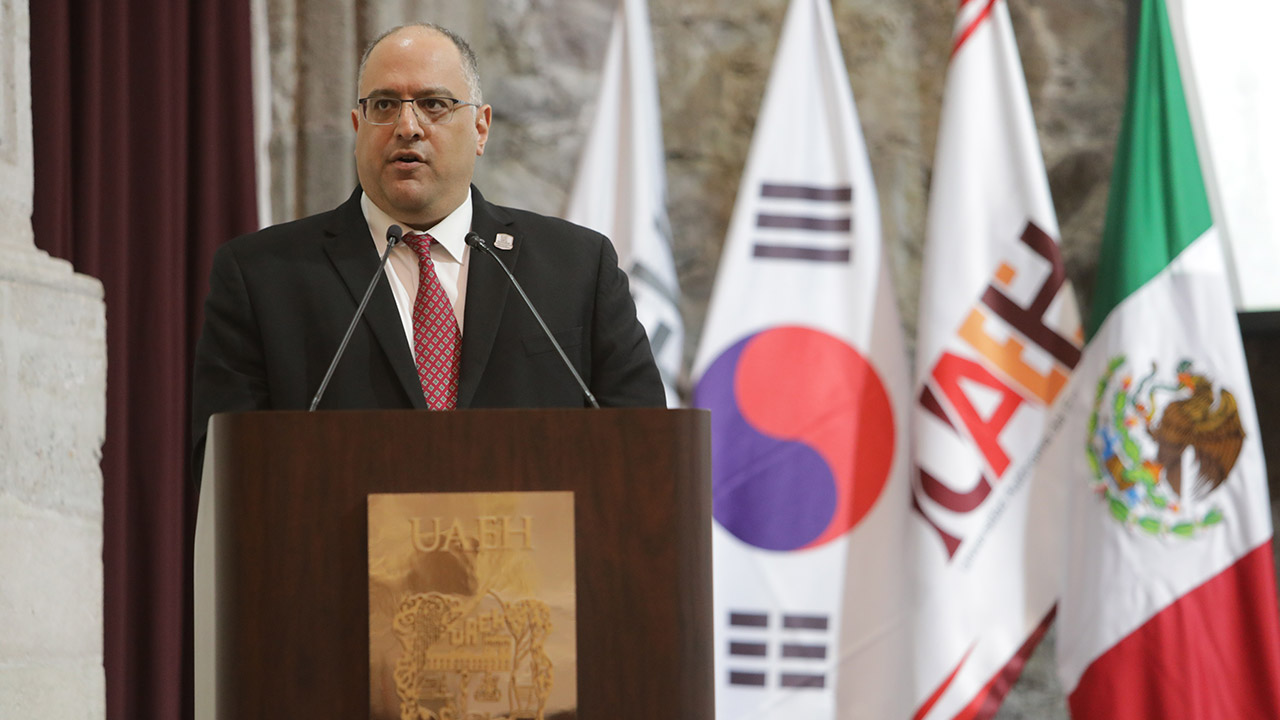
Dr. Richard Forno:
Cyberguy, Professor, Semper Vigilans Society Cheerleader
By: Julia Martin
“I joined SVS to round out my scholarship in a more meaningful way.”
-- Dr. Richard Forno, Teaching Professor, UMBC Department of Computer Science and Electrical Engineering; UMBC Graduate Cybersecurity Program Director; and UMBC Cyber Security Institute Assistant Director.
What do Civil Air Patrol cadets become when they grow up? Many become pilots or work in aerospace or become airplane mechanics. Some join the military, some continue as senior mentors and some, like Dr. Richard Forno, become cyber experts.
Richard, a Semper Vigilans Society member, set up the Dr. Richard Forno Flight Scholarship so cadets could have the same kind of CAP opportunities he had – leading and being part of a team, flying solo, being a part of challenging missions. “I had originally contacted CAP about a simple bequest in my will, thinking that was the best way to give back, however, they told me there was something I could do sooner.” Thus, he started funding his scholarship today and coupled this with a bequest in his will which includes additional funding from his estate.
He vividly remembers how excited he was on his first orientation flight, earning his Mitchell and Earhart (no Eaker then) and the fun and camaraderie of encampments both with his original squadron, the Fort Lauderdale Composite Squadron, and then with the Sunrise Cadet Squadron. “This flight scholarship could motivate cadets and plant the seed for something that really gets them going in life. In today’s world, we’re so attached to our screens; but when you take cadets up in a Cessna and outside their comfort zone, their perspective changes,” he added. “Flying in a plane, you’re always looking over the horizon, [towards] the future. There is more in this world than whatever we hold in our hand.”
He got involved with CAP after his father, a senior member in the 1960s in South Florida, told him how much his journey with CAP meant to him. “As a kid I’d use his flight suit at Halloween,” he said with a laugh. Richard thought he might join the military
after high school and realized it would be good experience if he joined CAP – and that decision helped shape his future.
When Hurricane Andrew hit South Florida in August of 1992, he was about to start his junior year of college but stayed to run comms for a few days during Hurricane Andrew relief efforts. “I ran the comm shed. It was my first mission in a leadership role. It was exciting – good life experience – and has become one of my fondest memories. We were coordinating everything heading south. I may have been just a cadet,” he added “but the comm was mine.” He said the experience taught him how to deal with different attitudes and perceptions and handle those who might react negatively to a young person given such great responsibility.” CAP teaches self-confidence, he said. “It makes you open your eyes to new possibilities.”
Many of the tenets he learned in CAP followed him into adulthood: service above self, community involvement, working with people from different backgrounds and skill levels and making everyone a part of the team. “CAP teaches you to step up to do your part when the moment is right, to move towards the problem – not away – and to always look out for others – not just yourself.”
His advice for cadets is the same he gives to students. “People come first. Being a good leader isn’t barking orders – let every member of your team be an active participant. You have to involve everybody [because] everybody brings strengths to the table.” He also had advice for an adult seeking to join CAP. “The best gift you can give is to share your knowledge.”
His journey into cyber came from always being good with computers and Civil Air Patrol’s incident response training – the ‘what-if’ scenarios. “This stuck with me,” he said about calculating the correct resources and procedures for incident management. “With my love of computers and interest in national security, I entered the high-tech world of cybersecurity and cyberwarfare.”
After working in the government, military and private sectors for over 20 years, (including helping build the first formal cybersecurity program for the U.S. House of Representatives), he traded it in for academia. “Teaching runs in my family. I always knew my second career would be in academics at the university level,” he added. “My favorite part of teaching is when a group of students – on their own – get that light bulb ‘Eureka!’ moment.”
He said people make it too easy for cyber criminals to cause mischief. “The best thing we can do is follow long-recommended best practices for cyber security.” But hackers aren’t all bad. Soon after he arrived at UMBC, one of the first things he did was create a state-wide competition for students and professionals to showcase their hacking talents for big prizes. “Cyber security pros can cause good trouble in helping others, so there can be a lot of fun in our career field,” he said.
Mentoring, teaching and protecting is what drives Richard to continue doing what he loves. And establishing this scholarship with a will bequest is, in his mind, one more way to do just that.
The SVS was established in 2020 to recognize the generosity of those who have made provisions for CAP through a deferred gift arrangement (including wills, revocable living trusts or life insurance/retirement account beneficiary designations). Deferred SVS gift commitments can be of any amount and can be made specific to the programs, activities, wings, squadrons and/or scholarships the donor chooses.